
Solar energy has become a popular choice for homeowners who want to reduce electricity costs and take more control over their energy use. Residential solar installation allows homes to generate their own electricity by using sunlight and converting it into usable power through a solar panel system. As electricity prices continue to change and more people look for cleaner energy options, solar panels have become an attractive solution for many households.
Installing a solar system is not only about placing panels on a roof. It involves understanding your home’s energy needs, choosing the right equipment, preparing the property, and working with experienced professionals to ensure the system performs properly. This guide explains how residential solar installation works, the benefits it offers, the installation process, costs, and important factors homeowners should know before making a decision.
What Is Residential Solar Installation?
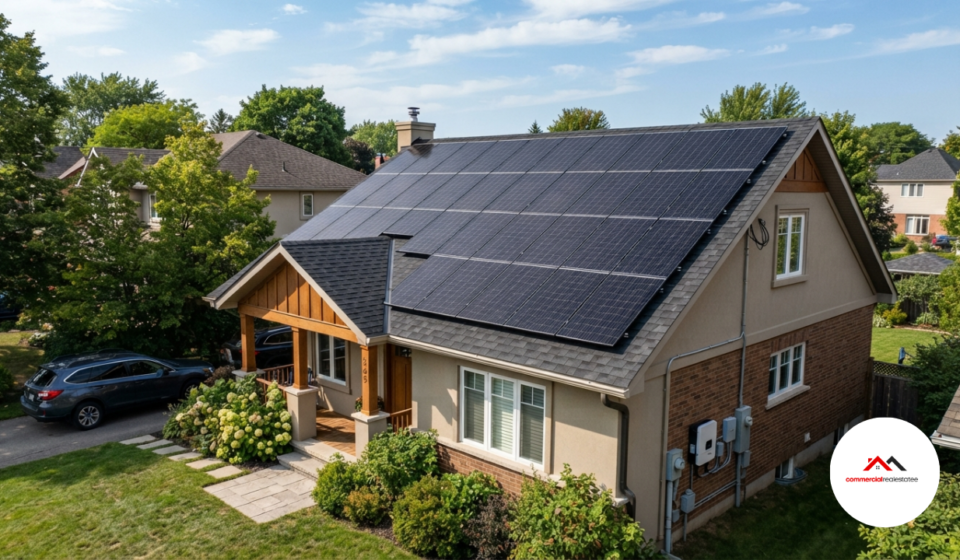
Residential solar installation is the process of setting up a solar energy system designed specifically for a home. The system uses photovoltaic solar panels to capture energy from sunlight and convert it into electricity that can power household appliances, lighting, heating, cooling systems, and other electrical devices.
A typical residential solar system includes solar panels, an inverter, mounting equipment, wiring, and monitoring technology. Solar panels collect sunlight and create direct current electricity, while the inverter converts that electricity into alternating current power that homes can use.
Many residential solar systems are connected to the local electricity grid. This allows homeowners to use solar power when it is available and rely on grid electricity when solar production is lower, such as during nighttime or periods of limited sunlight.
How Does a Residential Solar System Work?
The process behind solar energy is simple but highly effective. Solar panels contain photovoltaic cells that react to sunlight and produce electrical energy. The amount of electricity generated depends on factors such as sunlight exposure, panel quality, roof position, and system size.
After electricity is created by the solar panels, it passes through an inverter. The inverter plays an important role because most household appliances require alternating current electricity rather than direct current power.
Modern solar systems often include monitoring tools that allow homeowners to track energy production. These systems help identify how much electricity the panels are generating and whether the system is working efficiently.
Some homeowners also choose to add solar battery storage. Batteries store extra energy produced during the day and allow homeowners to use that stored power later when sunlight is unavailable or during electricity outages.
Benefits of Residential Solar Installation
One of the biggest reasons homeowners choose solar installation is the opportunity to reduce monthly electricity expenses. By producing their own electricity, homeowners can decrease their dependence on traditional energy providers and potentially lower their long-term energy costs.
Solar energy also provides greater control over household power usage. Instead of relying completely on changing electricity prices, homeowners can generate a portion of their own energy directly from their property.
Another important advantage is environmental impact. Solar power is a renewable energy source that produces electricity without directly creating the emissions associated with many traditional energy sources. For homeowners interested in reducing their environmental footprint, solar provides a cleaner alternative.
A professionally installed solar system can also improve the appeal of a property. Energy-efficient home features are becoming increasingly attractive to buyers, and solar panels may be considered an added benefit when selling a home.
Is Your Home Ready for Solar Panels?
Before installing solar panels, homeowners need to evaluate whether their property is suitable for solar energy. The condition of the roof is one of the first factors to consider. A roof that is damaged or close to replacement may need repairs before solar panels are installed.
Sunlight exposure is another important consideration. Homes with large areas of shade from trees, buildings, or other structures may produce less solar energy compared with properties that receive consistent sunlight throughout the day.
The amount of electricity your household uses also affects the size of the solar system you need. A professional installer can review your energy consumption and recommend a system designed around your specific requirements.
The Residential Solar Installation Process
The installation process begins with a home assessment and consultation. During this stage, solar professionals review your energy needs, inspect your roof, analyze sunlight conditions, and create a system design.
After planning is complete, the installer prepares the necessary equipment and handles required approvals. The solar panels are then mounted securely on the roof or another suitable location, and electrical connections are installed between the panels, inverter, and home electrical system.
Once installation is finished, the system must pass inspections and receive approval before it can begin operating. The exact timeline depends on factors such as local requirements, system complexity, and installer availability.
Choosing the right installation company is an important part of the process. Homeowners should look for experienced professionals, quality equipment, clear warranties, and strong customer support before making a final decision.
How Much Does Residential Solar Installation Cost?
The cost of residential solar installation varies depending on several factors, including the size of the system, type of solar panels, roof design, labor requirements, location, and whether battery storage is included.
A larger home with higher electricity usage may require more panels, while a smaller energy-efficient home may need a smaller system. Equipment quality can also affect the total investment because higher-quality components often come with better performance and longer warranties.
Many homeowners consider solar as a long-term investment rather than only looking at the initial installation cost. Financing options, available incentives, and future electricity savings can influence whether solar makes financial sense for a particular household.
Common Mistakes to Avoid During Solar Installation
One common mistake homeowners make is selecting an installer only because they offer the lowest price. A cheaper installation may not always provide the best equipment, workmanship, or long-term support.
Another mistake is failing to understand the agreement before installation begins. Homeowners should carefully review system ownership, warranties, maintenance responsibilities, and expected energy production.
Ignoring roof repairs before installing solar panels can also create problems later. Since solar panels are designed to operate for many years, it is better to address major roof issues before installation.
How Long Do Residential Solar Panels Last?
Residential solar panels are designed for long-term performance and can typically operate for many years with proper care. While energy production may gradually decrease over time, quality solar panels continue generating electricity throughout their expected lifespan.
Maintenance requirements are generally low. Regular monitoring, occasional cleaning, and professional inspections can help ensure the system continues working efficiently.
Conclusion
Residential solar installation is a practical way for homeowners to produce cleaner energy, reduce dependence on traditional electricity sources, and gain more control over future energy costs. However, the success of a solar project depends on proper planning, quality equipment, and professional installation.
Every home has different energy needs, roof conditions, and financial goals. Before installing solar panels, homeowners should evaluate their property carefully and choose a system that matches their long-term requirements.
With the right approach, residential solar installation can become a valuable home improvement that provides energy benefits for many years.
Frequently Asked Questions
How long does residential solar installation take?
The installation timeline depends on the size of the project, permits, inspections, and local requirements. The physical panel installation may take only a few days, but the complete process can take longer.
Do solar panels work during cloudy weather?
Solar panels can still produce electricity on cloudy days, although energy production may be lower compared with bright sunny conditions.
Is residential solar installation worth it?
Solar installation can be worthwhile for homeowners with suitable properties, good sunlight exposure, and long-term plans to use the system. The value depends on installation costs, energy savings, and available incentives.
Do solar panels require a lot of maintenance?
Solar panels generally require minimal maintenance. Keeping them clean and monitoring performance can help maintain efficient operation.
Can solar panels power an entire house?
Yes, a properly designed solar system can provide enough electricity to power an entire home. The required system size depends on household energy consumption and available sunlight.
Should I add battery storage to my solar system?
Battery storage can provide backup power and allow homeowners to store unused solar energy. Whether it is worthwhile depends on energy needs, budget, and the importance of backup electricity.