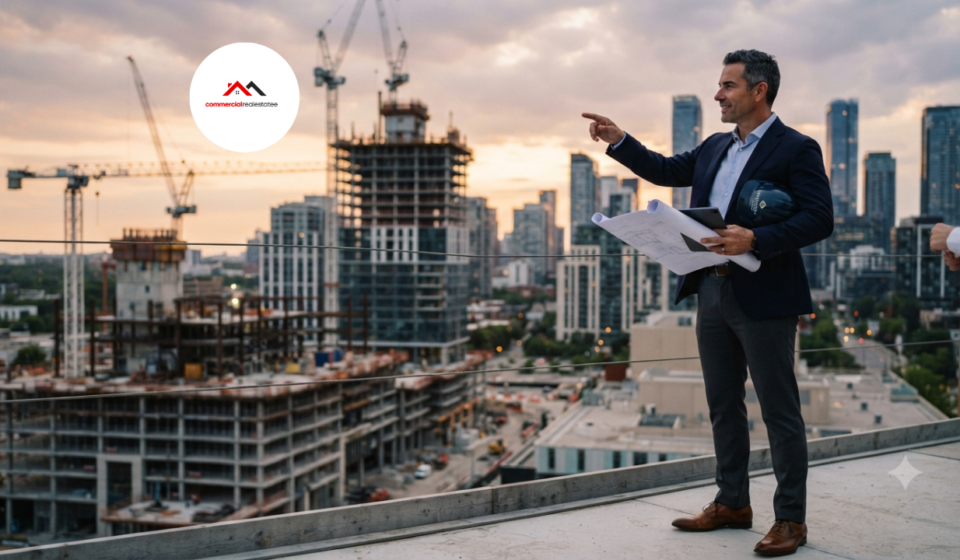

A real estate developer is the driving force behind the creation of residential, commercial, and mixed-use properties. From finding the right location to managing construction and delivering the final project, developers handle the complete journey of turning an idea into a valuable property. Many people think developers only build homes or buildings, but their work involves planning, investment decisions, market research, approvals, and coordination with many professionals.
Understanding the role of a real estate developer helps buyers, investors, and property owners make better decisions. Whether you are purchasing a new home, investing in a commercial project, or simply learning how the property industry works, knowing what developers do provides a clearer picture of how real estate projects come to life.
What Is a Real Estate Developer?
A real estate developer is an individual or company that purchases land or existing properties and transforms them into completed real estate projects. Developers identify opportunities, create development plans, arrange financing, and manage the different stages required to complete a project.
Unlike a construction company that mainly focuses on building work, a developer manages the entire process from the initial idea to the final property. They work with architects, engineers, contractors, financial institutions, government authorities, and marketing teams to make sure a project moves forward successfully.
A developer may work on different types of properties, including residential communities, apartment buildings, office spaces, shopping centers, hotels, industrial facilities, and mixed-use developments. The size and purpose of each project can vary, but the goal remains the same: creating properties that meet market demand and provide value.
What Does a Real Estate Developer Do?
The work of a real estate developer begins long before construction starts. The first step is usually identifying a suitable opportunity. Developers study locations, market conditions, customer needs, and future growth potential before deciding whether a project is worth pursuing.
After selecting a property or piece of land, developers create a detailed plan. This includes deciding the type of development, estimating costs, preparing designs, and understanding legal requirements. A strong development plan helps reduce risks and ensures the project has a clear direction.
Developers also arrange financing because large property projects require significant investment. They may work with banks, private investors, or development partners to secure the funds needed for land purchase, construction, and other expenses.
During construction, the developer manages different teams and monitors progress. They ensure that the project follows approved designs, stays within budget, and meets expected quality standards. Once construction is complete, developers may sell the property, lease it, or manage it as an investment.
Types of Real Estate Developers
The real estate industry includes different types of developers, each focusing on specific property markets. Residential real estate developers create homes, apartments, condominiums, and housing communities. Their projects are designed around the needs of families, individuals, and homeowners.
Commercial developers focus on properties used for business purposes. They develop office buildings, retail centers, hotels, and other spaces where companies operate. These projects often require careful planning because success depends on location, business demand, and long-term market conditions.
Some developers specialize in mixed-use developments, which combine residential, commercial, and recreational spaces in one area. These developments are becoming popular because they provide convenient environments where people can live, work, and access services nearby.
The Real Estate Development Process
Every successful development project follows a series of important stages. The process usually starts with research and planning. Developers analyze the location, study market demand, and evaluate whether the project has strong potential.
The next stage involves purchasing land or securing development rights. Developers must consider factors such as property value, zoning rules, construction possibilities, and future growth in the area.
After planning is complete, developers move toward design and approval. They work with architects and engineers to create building plans while ensuring the project follows local regulations. Obtaining the required approvals is an important part of development because construction cannot move forward without proper permissions.
Once approvals and financing are secured, construction begins. The developer oversees contractors, manages schedules, and handles challenges that may appear during the building process. After completion, the property enters the sales, leasing, or management stage.
Why Real Estate Developers Are Important
Real estate developers play an important role in creating new communities and improving existing areas. They help transform unused land, outdated buildings, and empty spaces into useful properties that support housing, businesses, and economic growth.
A skilled developer understands what people need from modern properties. This includes comfortable homes, efficient office spaces, better community planning, and buildings that match changing lifestyles.
Developers also contribute to local economies by creating construction jobs, supporting businesses, and increasing property value in developing areas. Their projects can influence how neighborhoods grow and how cities expand over time.
How to Choose a Reliable Real Estate Developer
Choosing the right developer is an important decision for buyers and investors. A reliable developer usually has a strong record of completed projects, clear communication, and a reputation for delivering quality work.
Before investing in a property, buyers should research the developer’s previous developments, construction standards, and customer reviews. Looking at completed projects can provide a better understanding of the developer’s experience and reliability.
Transparency is another important factor. A professional developer should provide clear information about project timelines, costs, approvals, and expected outcomes. Good communication helps create trust between developers, buyers, and investors.
Challenges Faced by Real Estate Developers
Real estate development comes with many challenges. Developers must manage financial risks, changing market conditions, construction delays, and unexpected costs. Even a well-planned project can face difficulties due to economic changes or shifts in buyer demand.
Rising material prices, labor shortages, and regulatory changes can also affect development timelines and budgets. Successful developers need strong planning skills and the ability to adapt when conditions change.
Another challenge is creating properties that remain valuable over time. Developers must think beyond immediate demand and consider how a property will serve people in the future.
The Future of Real Estate Development
The future of real estate development is being influenced by changing buyer expectations, technology, and environmental concerns. Many developers are focusing on energy-efficient buildings, smarter designs, and spaces that improve daily living.
Modern buyers are looking for properties that offer comfort, convenience, and long-term value. Developers who understand these changing needs are better positioned to create successful projects.
As cities continue to grow, real estate developers will remain essential in creating homes, workplaces, and communities that support future generations.
Frequently Asked Questions
What is the difference between a real estate developer and a builder?
A real estate developer manages the complete property development process, including planning, financing, and project management. A builder mainly focuses on the construction work required to complete the project.
How does a real estate developer make money?
A developer usually earns money by selling completed properties, leasing buildings, or increasing the value of a project before selling it to buyers or investors.
What skills does a real estate developer need?
A successful developer needs knowledge of property markets, finance, construction, planning, negotiation, and project management to handle different stages of development.
How long does real estate development take?
The timeline depends on the project size, location, approvals, and construction requirements. Some projects may take months, while larger developments can take several years.
Why should buyers research a real estate developer?
Researching a developer helps buyers understand the company’s experience, project quality, reputation, and ability to complete properties successfully.
Conclusion
A real estate developer connects ideas, investments, and construction to create properties that serve people and communities. Their responsibilities go far beyond building structures because they manage planning, finance, design, and long-term value creation.
For buyers and investors, understanding the developer behind a project is an important step before making a property decision. Experience, transparency, and a history of successful developments can help identify reliable professionals.
As property needs continue to change, real estate developers will remain a key part of building the communities and spaces where people live, work, and grow.