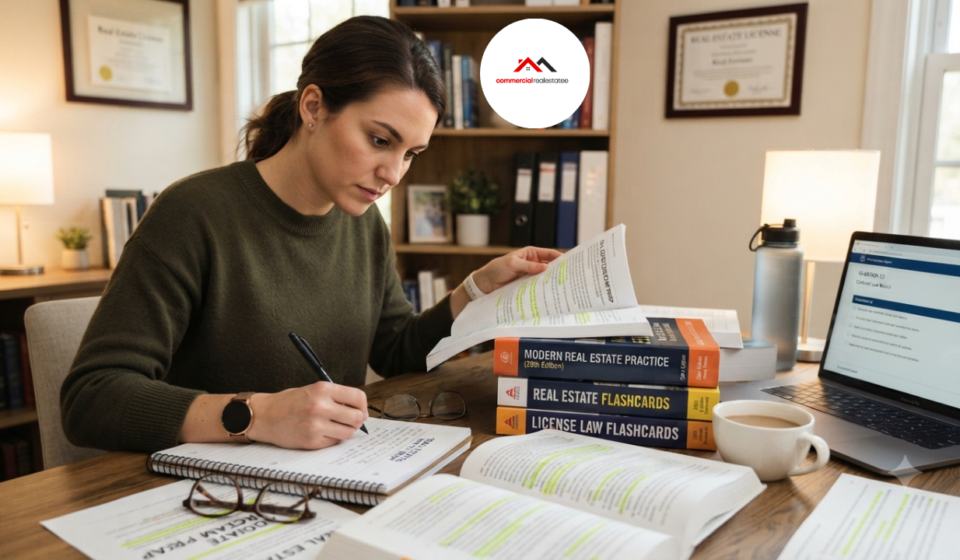

Starting a career in real estate begins with one important step: passing your real estate licensing exam. Many students complete their required education courses but still struggle because they are unsure what to study, how to prepare, and which topics deserve the most attention. Effective real estate exam prep helps you organize your learning, understand key concepts, and approach the test with confidence.
The real estate exam is designed to check whether you understand the rules, principles, and responsibilities involved in real estate transactions. It is not only about remembering definitions. You need to understand how concepts apply in real-world situations, from contracts and property ownership to agency relationships and financing. A focused study plan can make the preparation process easier and more productive.
What Is Real Estate Exam Prep?
Real estate exam prep is the process of preparing for a state licensing examination required to become a licensed real estate professional. It includes reviewing course materials, understanding important real estate laws, practicing exam questions, and improving your ability to solve real estate problems.
Every state has its own licensing requirements, but most real estate exams cover similar core subjects. These usually include property ownership, contracts, agency relationships, real estate finance, valuation, fair housing laws, and real estate calculations. A good preparation strategy focuses on understanding these topics instead of trying to memorize hundreds of terms without context.
Many candidates underestimate the importance of preparation because they assume completing a pre-licensing course is enough. While the course provides the required education, exam preparation helps you organize the information and identify areas where you need more practice.
Why Real Estate Exam Preparation Is Important
The real estate exam tests your ability to apply knowledge, not just recall information. Questions are often written around practical situations where you must choose the best answer based on real estate rules and professional responsibilities.
Without proper preparation, many students find themselves confused by similar answer choices. For example, a question about agency relationships may include several options that sound correct, but only one reflects the legal duty an agent owes to a client.
A structured study routine allows you to review difficult concepts, practice problem-solving, and become familiar with the style of questions you will face during the exam. Preparation also reduces exam stress because you enter the testing center knowing what to expect.
Important Topics Covered in the Real Estate Exam
Understanding property ownership is one of the first areas every real estate student should master. This section covers different types of property, ownership rights, legal descriptions, and the difference between real property and personal property. These concepts create the foundation for understanding real estate transactions.
Contracts are another major part of the exam. Real estate professionals work with agreements every day, so candidates need to understand the elements of a valid contract, including offer, acceptance, consideration, and legal purpose. You should also know the difference between valid, void, and voidable contracts.
Agency relationships are also heavily tested because they define how real estate professionals work with clients. Exam questions often focus on the responsibilities agents have toward buyers and sellers, including confidentiality, disclosure, loyalty, and reasonable care.
Real estate finance is another important area. Candidates should understand mortgages, interest rates, loan types, down payments, and basic calculations. Real estate math questions may include commissions, property taxes, loan-to-value ratios, and prorations.
How to Create an Effective Real Estate Exam Study Plan
A successful study plan starts with consistency. Instead of studying large amounts of information in one day and forgetting it later, create a schedule that allows you to review material regularly.
Begin by identifying your weakest subjects. Some students find contracts easy but struggle with calculations, while others understand property ownership but need more practice with state laws. Spending extra time on difficult areas improves your chances of passing.
Practice questions should become part of your daily routine. They help you understand how exam questions are structured and show which concepts require additional review. After completing practice tests, always review your mistakes and understand why the correct answer is right.
Common Mistakes Students Make During Exam Preparation
One common mistake is focusing only on memorizing vocabulary. Real estate exams often test your understanding of situations rather than simple definitions. Knowing what a term means is useful, but knowing how it applies in a transaction is more important.
Another mistake is ignoring state-specific information. Real estate laws vary from one state to another, and these rules are an important part of the licensing exam. Students should review their state requirements carefully before taking the test.
Some candidates also avoid math sections because they feel uncomfortable with calculations. However, real estate math becomes easier with practice. Learning the formulas and solving multiple examples can significantly improve confidence.
Tips to Improve Your Real Estate Exam Results
Successful candidates usually combine different study methods instead of relying on one resource. Reading course materials, watching educational videos, reviewing flashcards, and completing practice exams can create a stronger understanding of the subject.
It is also helpful to study in shorter sessions with regular breaks. Long study sessions can reduce concentration and make it harder to remember important information. Consistent review helps information stay fresh.
Before exam day, focus on reviewing important concepts rather than trying to learn everything again. A calm mindset and proper preparation can improve your performance during the test.
How Long Should You Study for the Real Estate Exam?
The amount of time needed for real estate exam preparation depends on your learning style, previous knowledge, and daily study schedule. Some students feel prepared after a few weeks, while others need additional time to fully understand the material.
A focused approach is usually more effective than rushing through large amounts of information. Give yourself enough time to review concepts, practice questions, and improve weak areas before scheduling your exam.
Frequently Asked Questions
What is the best way to prepare for the real estate exam?
The best approach is to combine course review, practice questions, and consistent study sessions. Focus on understanding concepts and applying them to real estate situations.
Is the real estate exam difficult?
The difficulty level depends on your preparation. Students who understand key topics and complete enough practice questions usually have a better chance of passing.
How many hours should I study for the real estate exam?
Study time varies for each person. Many students benefit from studying consistently for several weeks instead of trying to prepare in only a few days.
What topics should I focus on for the real estate exam?
Important areas include contracts, agency relationships, property ownership, financing, real estate math, valuation, and fair housing laws.
Can I pass the real estate exam without a prep course?
Some students pass through self-study, but a structured preparation program can help organize information and provide practice materials.
Conclusion
Passing the real estate licensing exam requires preparation, patience, and a clear understanding of important concepts. Real estate exam prep gives you the structure needed to review essential topics, practice questions, and build confidence before test day.
The goal is not only to pass the exam but also to develop knowledge that will help you become a responsible real estate professional. By creating a consistent study routine and focusing on understanding rather than memorization, you can approach your licensing exam with greater confidence and readiness.