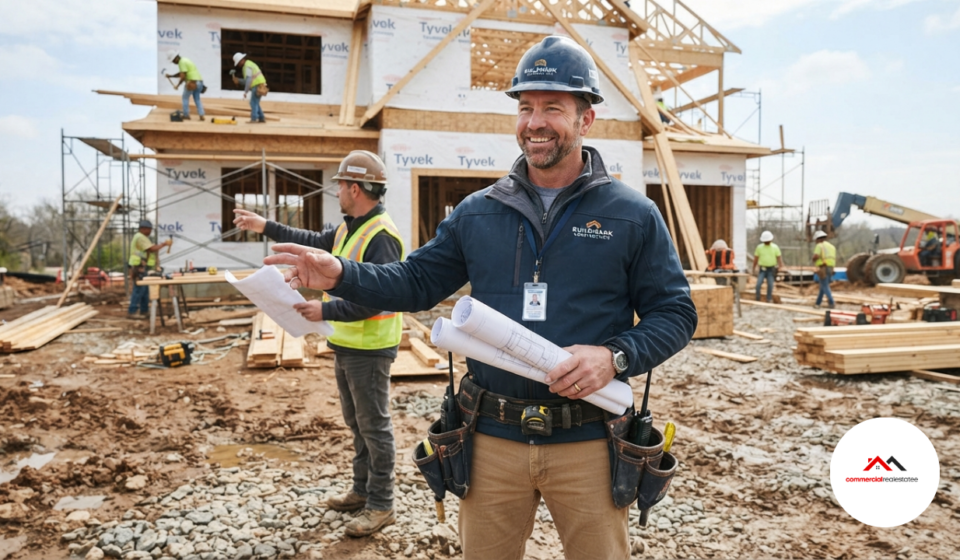

A general contractor is the person or company responsible for managing a construction project from start to finish. Whether you are building a new property, renovating your home, or improving a commercial space, a general contractor helps organize every stage of the work. They coordinate workers, handle materials, manage schedules, and make sure the project moves forward according to the plan.
Many property owners choose to hire a general contractor because construction projects can involve many different tasks and specialists. Without proper management, projects can face delays, budget problems, and communication issues. A professional general contractor brings experience and organization to make the construction process smoother and more efficient.
What Is a General Contractor?
A general contractor is a construction professional who oversees the complete process of a building or renovation project. They work directly with property owners and take responsibility for managing different parts of construction. Instead of the owner dealing with multiple workers separately, the general contractor acts as the main contact throughout the project.
General contractors are involved in both residential and commercial construction. Their work can include new home construction, office buildings, property renovations, extensions, remodeling projects, and other types of improvements. They understand how different construction tasks connect and help ensure each stage is completed properly.
What Does a General Contractor Do?
The responsibilities of a general contractor go beyond simply hiring workers. They begin by understanding the project requirements, reviewing plans, estimating costs, and creating a construction schedule. Their goal is to organize the entire process before work begins.
During construction, a general contractor manages subcontractors such as electricians, plumbers, painters, roofers, and carpenters. They make sure each specialist completes their work at the right time and follows project requirements. They also monitor progress, communicate updates, solve problems, and help maintain quality standards.
A general contractor also handles many practical details that property owners may not have experience with. These can include ordering materials, coordinating deliveries, managing construction timelines, and ensuring the project follows local building regulations.
General Contractor Services for Residential Projects
Residential general contractors help homeowners complete a wide range of construction and renovation projects. Many homeowners hire them for new house construction, home additions, kitchen remodeling, bathroom upgrades, basement finishing, and complete property renovations.
For a major home improvement project, several professionals may be needed. A general contractor connects these different services together and manages the overall workflow. This allows homeowners to focus on their daily responsibilities instead of managing every construction detail themselves.
A skilled residential contractor can also provide advice about materials, design choices, project planning, and possible challenges before construction starts. Their experience helps homeowners make better decisions and avoid expensive mistakes.
Commercial General Contractor Services
Commercial construction projects often require detailed planning, strict timelines, and coordination between multiple teams. A commercial general contractor manages these complex projects and helps businesses complete construction work efficiently.
Commercial contractors may work on offices, retail stores, restaurants, warehouses, and other business properties. They coordinate specialized workers, manage construction schedules, and help ensure the project meets business requirements.
For companies, hiring an experienced general contractor can reduce interruptions and improve project management. A well-organized construction process allows businesses to complete improvements while keeping their operations running smoothly.
Why Hire a General Contractor?
Hiring a general contractor provides convenience, organization, and professional project management. Construction involves many moving parts, and managing everything without experience can become overwhelming. A contractor understands how to coordinate different trades and keep the project moving.
One of the biggest advantages of working with a general contractor is having a single person responsible for communication. Instead of contacting several workers about different tasks, property owners can discuss progress, concerns, and changes with one professional.
A general contractor can also help control costs by creating realistic estimates and identifying potential issues early. Their industry knowledge allows them to recommend practical solutions and avoid unnecessary expenses during construction.
General Contractor vs Subcontractor
A general contractor and a subcontractor have different roles in a construction project. The general contractor manages the entire project, while subcontractors usually focus on specific tasks or areas of work.
For example, an electrician may handle wiring, while a plumber manages water systems. These specialists are often hired by the general contractor to complete their part of the project. The general contractor coordinates their work and ensures everything fits together properly.
Understanding this difference helps property owners know who is responsible for each part of the construction process. The general contractor remains the main person managing the overall project.
How Much Does a General Contractor Cost?
The cost of hiring a general contractor depends on several factors, including project size, location, materials, labor requirements, and construction complexity. Some contractors charge a percentage of the total project cost, while others provide fixed estimates based on the work involved.
A larger construction project will naturally require more planning, labor, and management compared to a smaller renovation. Property owners should compare different estimates and understand what services are included before making a decision.
Choosing a contractor only because they offer the lowest price can create problems later. A detailed estimate, clear agreement, and proven experience are often more valuable than selecting the cheapest option available.
How to Choose the Right General Contractor
Choosing the right general contractor is an important step in any construction project. Property owners should look for someone with experience in similar projects and a strong reputation for reliable work.
Before hiring, it is helpful to review previous projects, check references, discuss timelines, and understand how the contractor communicates with clients. A professional contractor should provide clear information about costs, expectations, and project details.
A written contract is also important because it explains responsibilities, payment schedules, project scope, and other important conditions. Clear communication from the beginning helps prevent confusion during construction.
Common Mistakes When Hiring a General Contractor
Many construction problems happen because property owners rush the hiring process. Selecting a contractor without checking experience, reviews, or previous work can lead to delays and unexpected costs.
Another common mistake is starting construction without a clear agreement. A proper contract helps both sides understand what work will be completed and how changes will be handled.
Good planning, realistic expectations, and regular communication can make the construction experience much easier and help achieve better results.
Frequently Asked Questions
What is the main role of a general contractor?
A general contractor manages the entire construction project by coordinating workers, materials, schedules, and different stages of the work. They act as the main contact between the property owner and construction teams.
Do general contractors provide materials?
Many general contractors arrange and manage materials needed for a project. The exact responsibility depends on the agreement between the contractor and the client.
Is a general contractor needed for home remodeling?
A general contractor is usually helpful for large remodeling projects involving multiple specialists. Smaller repairs may only require a specific trade professional.
How long does a general contractor project take?
The timeline depends on the size and complexity of the project. Small renovations may take a few weeks, while new construction can require several months.
How do I find a reliable general contractor?
Look for experience, proper qualifications, good reviews, clear communication, and previous projects similar to yours before making a final decision.
Conclusion
A general contractor plays an important role in making construction projects organized and manageable. From planning and budgeting to coordinating workers and completing final details, they help transform ideas into finished spaces.
Whether you are building a new property, remodeling your home, or improving a commercial building, choosing the right contractor can greatly affect the quality and success of your project. A reliable general contractor provides experience, guidance, and professional management throughout the construction journey.