
Buying or selling a home involves many terms that can be confusing, and contingent is one of the most common words people see during the real estate process. If you find a property marked as contingent, you may wonder whether the home is still available, whether someone has already purchased it, or what could happen next.
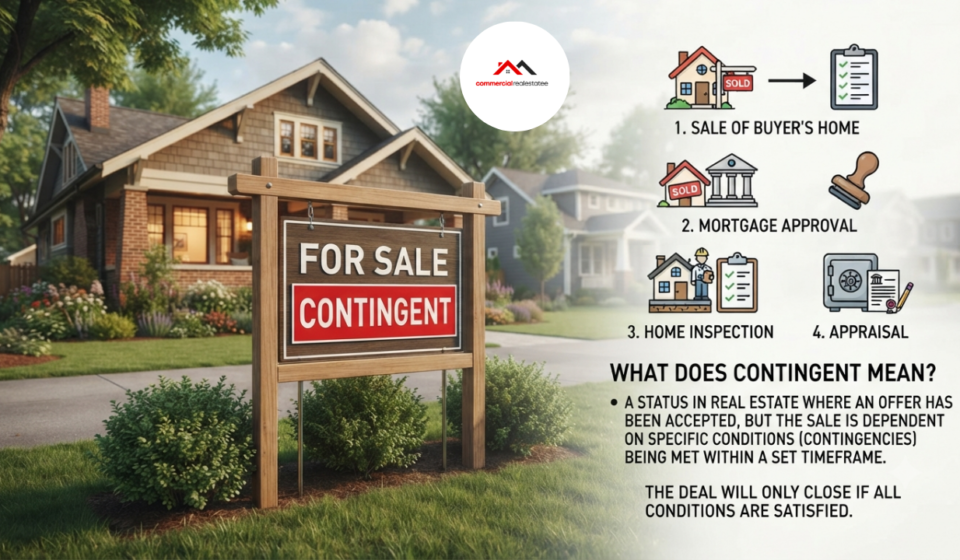
In real estate, contingent means that a seller has accepted an offer from a buyer, but the sale depends on certain conditions being completed before the transaction becomes final. These conditions are usually included to protect the buyer and may involve financing approval, a home inspection, appraisal results, or the sale of another property. Understanding this term can help buyers make better decisions and help sellers know what to expect after accepting an offer.
What Does Contingent Mean in Real Estate?
A contingent listing means a home is under contract, but the deal is not completely finished. The buyer and seller have agreed on the purchase terms, but specific requirements must still be met before the home can officially change ownership.
For example, a buyer may submit an offer that includes a home inspection contingency. This means the buyer can have the property inspected and may request repairs or other solutions if serious problems are discovered. Another common situation involves a mortgage contingency, where the purchase depends on the buyer receiving final loan approval from a lender.
A contingent home is different from a sold property because the transaction still has steps left to complete. If a contingency cannot be satisfied, the contract may be changed or canceled depending on the agreement between the buyer and seller.
Why Are Contingencies Used in Real Estate?
Contingencies exist because buying a home is a major financial decision. Buyers usually want to make sure the property, financing, and overall purchase conditions meet their expectations before committing fully.
Without contingencies, a buyer could be forced to complete a purchase even if unexpected problems appear. For example, an inspection could reveal expensive repairs, or a lender could decide that the buyer does not qualify for the required mortgage amount.
For sellers, contingencies can provide confidence that the buyer is serious about purchasing the property. However, sellers also understand that every additional condition creates another step that must be completed before closing.
Common Types of Real Estate Contingencies
Financing Contingency
A financing contingency is one of the most common conditions found in home purchase agreements. It means the buyer must secure mortgage approval before the sale can move forward.
Even if a buyer is pre-approved for a loan, final approval usually requires the lender to review the property, financial documents, and other details. If financing is not approved within the agreed timeframe, the buyer may have the ability to withdraw from the deal based on the contract terms.
Home Inspection Contingency
A home inspection contingency allows buyers to evaluate the condition of the property before completing the purchase. A professional inspector checks important parts of the home, including the structure, electrical systems, plumbing, roof, and other major areas.
If serious issues are discovered, the buyer and seller may negotiate repairs, adjust the agreement, or decide not to continue with the transaction. This contingency helps buyers avoid unexpected costs after moving into the home.
Appraisal Contingency
An appraisal contingency protects buyers when the home’s value does not match the agreed purchase price. Mortgage lenders usually require an appraisal to determine whether the property is worth the amount being financed.
If the appraisal comes in lower than the purchase price, the buyer and seller may need to discuss options. They may agree to reduce the price, the buyer may contribute additional money, or the transaction may not continue depending on the contract.
Home Sale Contingency
A home sale contingency applies when a buyer needs to sell their current home before purchasing another one. This allows the buyer time to complete their existing sale before becoming responsible for the new property.
Some sellers are cautious about accepting these offers because the purchase depends on another home sale happening first. However, in certain situations, this type of offer can still work for both parties.
Contingent vs Pending: What Is the Difference?
Many people confuse contingent and pending listings because both mean a buyer has already made an offer. However, they usually represent different stages of the real estate process.
A contingent listing means the offer has been accepted, but certain conditions still need to be completed. The buyer may still need financing approval, inspections, or other requirements before moving forward.
A pending listing usually means most major conditions have been completed, and the transaction is closer to closing. However, the exact meaning of these terms can vary depending on local real estate practices and listing systems.
Can You Buy a House That Is Listed as Contingent?
A contingent home may still be available to other buyers in some situations. If the original deal fails, another buyer may have an opportunity to purchase the property.
Interested buyers can ask their real estate agent about submitting a backup offer. A backup offer does not replace the current buyer, but it can put another buyer in position if the first agreement falls apart.
The possibility of buying a contingent home depends on factors such as the type of contingency, the seller’s plans, and the local housing market.
What Does a Contingent Listing Mean for Sellers?
For sellers, accepting a contingent offer means they have a potential buyer but must wait until the conditions are completed. The seller may continue preparing for closing while the buyer handles financing, inspections, and other requirements.
A strong offer is not only about the purchase price. Sellers often consider the number of contingencies, the buyer’s financial strength, and how likely the transaction is to reach closing.
Reducing unnecessary complications can make the selling process smoother, but sellers must also balance speed with finding the right buyer.
Common Misunderstandings About Contingent Homes
One of the biggest misunderstandings is that a contingent home has already been sold. A contingent property is not officially sold because the closing has not happened yet.
Another misconception is that buyers cannot make offers on contingent homes. In many cases, buyers may still show interest, especially if the seller is willing to accept backup offers.
The word contingent simply means the sale depends on certain conditions being completed before the deal becomes final.
Frequently Asked Questions
Does contingent mean a house is sold?
No, contingent does not mean a house is sold. It means the seller has accepted an offer, but the buyer and seller still need to complete certain conditions before the sale becomes official.
Can you make an offer on a contingent house?
Yes, you may be able to make a backup offer on a contingent property. Whether the seller accepts another offer depends on the situation and local real estate practices.
How long does a house stay contingent?
The length of time varies depending on the purchase agreement. Some contingencies may be completed within a few weeks, while others may take longer.
What happens if a contingency is not met?
If a contingency is not completed, the buyer and seller may renegotiate the agreement, extend the deadline, or cancel the contract depending on the terms of the purchase agreement.
Is contingent better than pending?
Neither status is always better. A contingent listing has conditions that still need to be completed, while a pending listing is usually closer to the final closing stage.
Conclusion
Understanding what contingent means in real estate helps buyers and sellers avoid confusion during the home buying process. A contingent listing represents progress, but it also shows that important steps still need to be completed before the transaction is finished.
For buyers, contingencies provide protection and time to confirm that the property and financing meet their needs. For sellers, knowing how contingencies work can help them evaluate offers and prepare for possible challenges.
Whether you are buying your first home or selling a property, always review the details of the contract carefully. The specific conditions matter more than the listing status alone.