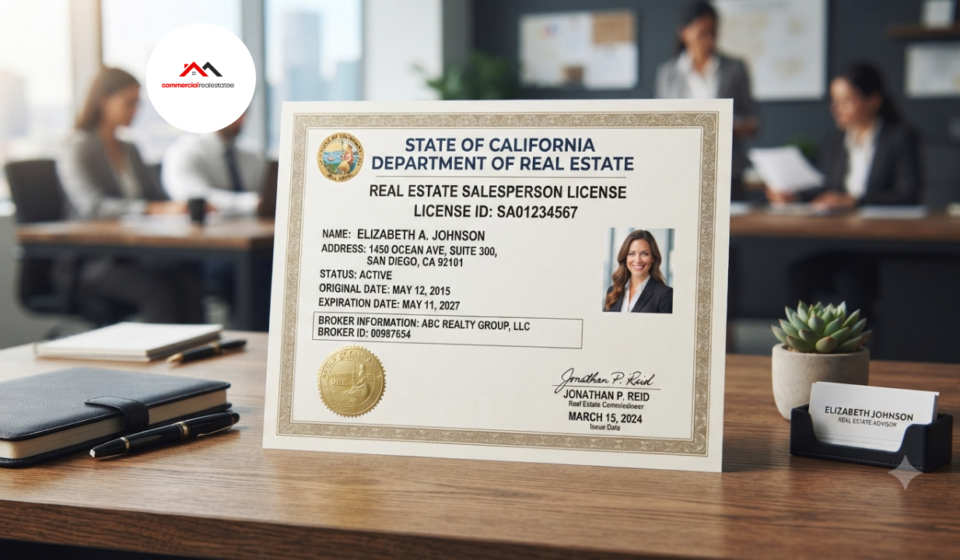

A real estate license is the official approval that allows a person to work as a real estate professional and legally help clients with property transactions. Whether someone wants to become a real estate agent, start a property career, or understand how the industry works, getting licensed is the first major step.
Many people search for a real estate license because they want a flexible career, better earning opportunities, or a chance to work in the property market. However, becoming licensed requires meeting specific requirements, completing education, passing an exam, and understanding the responsibilities that come with representing buyers and sellers.
The exact rules vary depending on location, but the overall process is similar in many areas. A successful real estate professional needs more than just a license; they also need communication skills, market knowledge, and the ability to build trust with clients.
What Is a Real Estate License?
A real estate license is a legal certification issued by a government-approved real estate authority that allows individuals to perform professional real estate activities. Licensed agents can help clients buy, sell, or rent properties while following legal and ethical standards.
Real estate transactions involve large financial decisions, contracts, negotiations, and legal documents. Licensing requirements help ensure that agents understand important areas such as property laws, contracts, disclosures, financing, and professional responsibilities.
Without a valid license, a person generally cannot legally earn commissions by representing clients in real estate deals. The license protects both consumers and professionals by creating standards for the industry.
Why Do You Need a Real Estate License?
A real estate license provides the legal authority needed to work as a real estate agent. Property buyers and sellers often depend on licensed professionals because they need guidance during complex transactions.
Licensed agents can access professional tools, work with brokerages, advertise properties, negotiate deals, and represent clients during the buying or selling process. The license also helps establish credibility because clients feel more confident working with someone who has completed official training.
For people interested in building a long-term career in real estate, obtaining a license creates opportunities to develop experience, grow a client base, and specialize in different areas of the market.
Requirements to Get a Real Estate License
The requirements for a real estate license depend on the state or region where someone wants to work. However, most licensing authorities have similar conditions that applicants must complete before becoming approved.
Applicants usually need to meet a minimum age requirement and complete required education before taking the licensing exam. Some locations may also require background checks or additional documentation during the application process.
Before starting the licensing journey, it is important to check the rules of the local real estate authority because requirements, fees, and renewal periods can change.
Real Estate Education and Pre-Licensing Courses
Education is one of the most important parts of becoming a licensed real estate agent. Before taking the licensing exam, candidates usually need to complete an approved pre-licensing course.
These courses teach the fundamentals of real estate, including property ownership, contracts, agency relationships, financing, real estate laws, and ethical practices. The goal is to prepare future agents for real-world situations they may face while working with clients.
Many education providers now offer online real estate courses, making it easier for students to complete training around their existing schedules. However, candidates should choose courses that meet their local licensing requirements.
Real Estate License Exam Process
After completing the required education, candidates must pass a real estate licensing exam. The exam is designed to test whether applicants understand the knowledge needed to work safely and professionally in the industry.
The test usually covers topics related to property laws, contracts, ownership rules, financing, real estate practices, and professional responsibilities. Preparation is important because passing the exam requires understanding concepts rather than simply memorizing information.
Many candidates use practice exams, study guides, and additional review materials to improve their chances of success.
How Much Does a Real Estate License Cost?
The cost of getting a real estate license depends on several factors, including education fees, exam charges, application costs, and other required expenses.
Some people may spend a few hundred dollars during the licensing process, while costs can be higher depending on location and course selection. Online courses may offer affordable options, while classroom-based programs may provide additional support and networking opportunities.
Although there are upfront costs, many people consider a real estate license an investment because it can create opportunities for income growth and career development.
Real Estate Agent vs Real Estate Broker
A real estate agent and a real estate broker both work in the property industry, but their responsibilities and qualifications are different.
A real estate agent is typically someone who has completed licensing requirements and works under the supervision of a broker. Agents help clients with property transactions, marketing, negotiations, and paperwork.
A broker usually has additional education, experience, and licensing requirements. Brokers can often manage their own real estate business, supervise agents, and take on greater responsibility within transactions.
How Long Does It Take to Get a Real Estate License?
The time required to obtain a real estate license depends on how quickly a person completes education, prepares for the exam, and finishes the application process.
Some candidates complete the process within a few weeks, while others may take several months. The timeline depends on course schedules, exam preparation, application processing times, and individual learning speed.
A focused study plan and consistent preparation can help candidates complete the process more efficiently.
Benefits of Having a Real Estate License
A real estate license can provide several career advantages for people interested in property, sales, and entrepreneurship. It allows professionals to work in a growing industry and build valuable connections with buyers, sellers, investors, and other professionals.
Real estate also offers different career paths. Some agents focus on residential properties, while others work with commercial buildings, rental properties, luxury homes, or investment opportunities.
The profession can provide flexibility, but success usually depends on effort, networking, market knowledge, and the ability to maintain strong relationships with clients.
Common Mistakes New Real Estate Agents Make
Many new agents believe that getting a license automatically leads to success. However, the license is only the beginning of the career journey.
A common mistake is not investing enough time in learning the local market, building relationships, and improving communication skills. Real estate is a competitive field, and professionals need to continuously improve their knowledge and approach.
New agents should also have realistic expectations about income because earnings often depend on completed transactions and market conditions.
Frequently Asked Questions
How do I get a real estate license?
To get a real estate license, you usually need to complete approved education, pass a licensing exam, submit an application, and meet your local licensing authority’s requirements.
How much does a real estate license cost?
The cost varies by location, but applicants usually pay for education, exam fees, application fees, and other required expenses.
Can I get a real estate license online?
Many areas allow online real estate courses. However, the course must usually be approved by the relevant licensing authority.
Do I need experience to get a real estate license?
Most entry-level real estate licenses do not require previous experience. However, broker licenses often require additional experience.
Is a real estate license worth it?
A real estate license can be valuable for people interested in property sales, entrepreneurship, and building a career in the real estate industry.
Conclusion
A real estate license is the foundation for starting a professional career in the property industry. It provides the legal permission needed to help clients with important real estate decisions while ensuring professionals understand industry rules and responsibilities.
The licensing process requires dedication, education, and preparation, but it can open the door to many opportunities. People who combine their license with strong communication skills, market knowledge, and consistent effort have the best chance of building a successful real estate career.
For anyone considering this path, the first step is understanding local requirements and creating a clear plan to complete the licensing process.