
Buying or selling a home in North Carolina involves many financial decisions, and one topic that often creates confusion is the real estate commission. Many buyers and sellers want to know how much agents charge, who pays the commission, whether fees are fixed, and how recent industry changes affect the process.
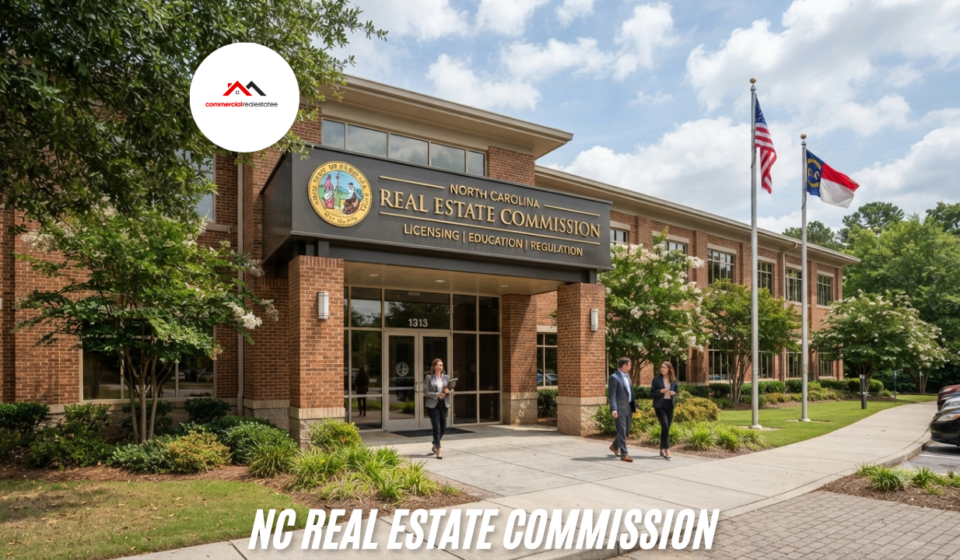
The NC Real Estate Commission regulates real estate brokers across North Carolina and helps maintain professional standards in the industry. However, one common misunderstanding is that the Commission does not set real estate commission rates. Instead, compensation between brokers and clients is usually negotiated and agreed upon before a transaction moves forward.
Understanding how real estate commissions work can help buyers and sellers make better decisions, avoid unexpected costs, and choose the right professional for their needs.
What Is the NC Real Estate Commission?
The North Carolina Real Estate Commission (NCREC) is the state agency responsible for regulating real estate brokers and enforcing North Carolina real estate license laws. Its main purpose is to protect consumers and ensure that licensed professionals follow ethical and legal standards.
The Commission handles broker licensing, education requirements, complaints, investigations, and disciplinary actions when necessary. Real estate professionals in North Carolina must meet state requirements and maintain an active license to provide brokerage services.
For consumers, the NC Real Estate Commission provides a layer of protection by making sure brokers follow rules related to honesty, disclosure, advertising, and professional conduct during real estate transactions.
Does the NC Real Estate Commission Set Real Estate Fees?
One of the biggest misconceptions about real estate commissions is that the state determines how much agents can charge. In North Carolina, there is no government-set commission percentage that every broker must follow.
Real estate fees are negotiated between the broker and the client. The final commission depends on several factors, including the property type, market conditions, level of service, and agreement between the parties.
A broker may charge a percentage of the sale price, a flat fee, or another payment structure. Buyers and sellers should discuss these details before signing any agreement to understand exactly what services are included and how compensation will be handled.
How Real Estate Commission Works in North Carolina
A real estate commission is the payment a broker receives for helping complete a property transaction. Real estate agents provide services such as marketing properties, arranging showings, negotiating offers, preparing documents, and guiding clients through the closing process.
Traditionally, many home sellers paid a commission that was shared between the listing agent and the buyer’s agent. However, real estate practices have changed in recent years, with more focus on transparency and clear discussions about agent compensation.
Today, buyers and sellers have more direct conversations about who provides services, what those services cost, and how payments are arranged. This makes it important for consumers to carefully review their agreements before moving forward.
Are Real Estate Commissions Negotiable in North Carolina?
Yes, real estate commissions are negotiable in North Carolina. There is no fixed rate that brokers must charge, which means clients can discuss fees and services before choosing an agent.
Negotiating does not always mean choosing the lowest possible fee. A lower commission may come with fewer services, while a higher fee may include stronger marketing, better communication, or additional support throughout the transaction.
The best approach is to compare the value provided by different brokers. Buyers and sellers should consider experience, knowledge of the local market, communication style, and the services included in the agreement.
Who Pays Real Estate Commission in North Carolina?
The payment of real estate commission depends on the agreement made between the parties involved in the transaction. In many cases, sellers have traditionally paid commissions connected to the sale of their property, but the structure can vary.
Buyers may also have responsibilities for paying their own agent depending on the terms of their buyer agency agreement. This makes it important for buyers to understand their financial obligations before working with a real estate professional.
The key factor is not simply who pays the commission, but whether everyone understands the agreement before entering into a real estate transaction.
Understanding Buyer Agency Agreements in North Carolina
A buyer agency agreement is a written contract between a buyer and a real estate broker. It explains the services the broker will provide and outlines how the broker will be compensated.
Before signing this type of agreement, buyers should review important details, including the length of the agreement, compensation terms, and responsibilities of both the buyer and the agent.
A clear agreement helps prevent misunderstandings and creates a better working relationship. Buyers should feel comfortable asking questions and making sure they understand the terms before committing.
Recent Changes Affecting Real Estate Commission Discussions
The real estate industry has experienced changes that have increased attention on commission transparency. Buyers today are more likely to have direct conversations with agents about service costs before beginning the home search process.
These changes do not eliminate real estate commissions. Instead, they encourage clearer communication between consumers and brokers.
For buyers, this means understanding agent agreements before visiting properties or making offers. For sellers, it means carefully comparing brokerage services and deciding what level of support matches their goals.
How the NC Real Estate Commission Protects Consumers
The NC Real Estate Commission helps protect homeowners and buyers by holding brokers accountable for professional standards. If a licensed broker violates state rules, consumers can file complaints that may lead to investigation or disciplinary action.
The Commission also provides information about licensing requirements and helps consumers verify whether a real estate professional is authorized to operate in North Carolina.
Working with a licensed broker gives consumers access to professionals who must follow state regulations and maintain certain standards of conduct.
Common Misunderstandings About NC Real Estate Commission
Many people believe that all real estate agents charge the same commission rate, but that is not true. Fees can vary depending on the broker, services offered, and agreement terms.
Another misunderstanding is that commission is the only factor that matters when choosing an agent. While cost is important, experience, negotiation ability, market knowledge, and communication can have a major impact on the overall experience.
Consumers should focus on finding a broker who provides clear value and understands their specific real estate goals.
Frequently Asked Questions
What is the NC Real Estate Commission responsible for?
The NC Real Estate Commission regulates licensed real estate brokers in North Carolina, manages licensing standards, investigates complaints, and helps protect consumers during real estate transactions.
Is there a fixed real estate commission rate in North Carolina?
No, North Carolina does not have a fixed real estate commission rate. Brokers and clients negotiate compensation based on the services provided and the terms of their agreement.
Can buyers negotiate real estate agent fees in NC?
Yes, buyers can discuss compensation terms with their agent before signing a buyer agency agreement. The details should be clearly explained in writing.
Do sellers always pay real estate commissions in North Carolina?
No. Payment arrangements depend on the agreements involved in the transaction. Sellers, buyers, or other parties may have different responsibilities depending on the contract terms.
Why are buyer agency agreements important?
Buyer agency agreements explain the relationship between the buyer and agent, including services provided and compensation details. They help both sides understand their responsibilities.
Conclusion
The NC Real Estate Commission helps maintain trust and professionalism in North Carolina’s real estate industry, but it does not control how much brokers charge. Real estate commissions are based on agreements between clients and professionals.
For buyers and sellers, understanding commission rules is an important part of preparing for a property transaction. Clear communication, careful contract review, and choosing the right broker can make the process smoother.
Before buying or selling a home in North Carolina, take time to understand the costs involved and ask questions about any agreement you sign. A well-informed decision can help you avoid surprises and move forward with confidence.