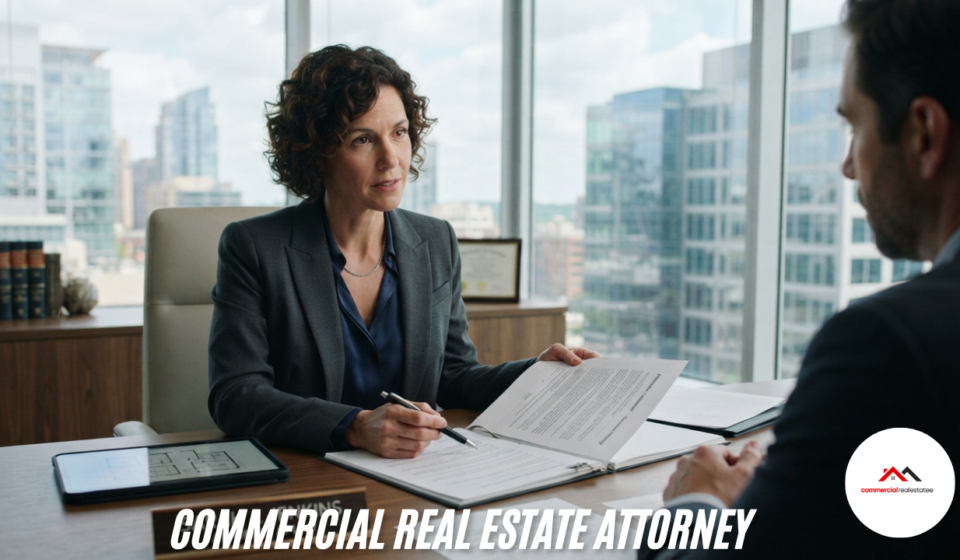

buying or selling commercial property is a major financial decision that involves more than finding the right building or signing a purchase agreement. Commercial real estate transactions often include complex contracts, zoning rules, financing requirements, lease obligations, and ownership issues that can create serious problems if they are not handled correctly. A commercial real estate attorney helps businesses, investors, landlords, and property owners manage these legal challenges and protect their interests throughout the process.
From reviewing purchase agreements to negotiating commercial leases, these attorneys provide legal guidance that helps prevent costly mistakes. Whether you are purchasing an office building, developing land, leasing retail space, or investing in industrial property, having the right legal support can make the transaction smoother and more secure.
What Is a Commercial Real Estate Attorney?
A commercial real estate attorney is a lawyer who specializes in legal matters related to business properties. Their work focuses on transactions involving properties used for commercial purposes, such as office buildings, shopping centers, warehouses, hotels, and mixed-use developments.
Unlike residential real estate deals, commercial transactions usually involve larger investments and more detailed agreements. A commercial real estate attorney helps clients understand their legal responsibilities, review documents, negotiate terms, and address potential risks before they become disputes.
These attorneys may represent buyers, sellers, landlords, tenants, developers, lenders, and investors. Their goal is to make sure the transaction follows applicable laws while protecting the client’s financial and business goals.
What Does a Commercial Real Estate Attorney Do?
A commercial real estate attorney handles many parts of a property transaction. One of their main responsibilities is reviewing and preparing legal documents. Purchase agreements, lease contracts, financing documents, and partnership agreements often contain complex terms that can affect a client’s rights and obligations.
During a property purchase, an attorney examines the agreement to ensure important details are covered, including purchase price, closing conditions, inspection requirements, and responsibilities of each party. They also help negotiate changes when contract terms do not properly protect their client.
A commercial real estate attorney may also assist with property closings by reviewing title documents, resolving ownership issues, and making sure all required paperwork is completed correctly.
Why Businesses Hire Commercial Real Estate Attorneys
Commercial property decisions often involve significant amounts of money, making legal mistakes expensive. A contract that seems simple may contain restrictions that affect how a property can be used, rented, or developed.
For example, a buyer may purchase a commercial building expecting to convert it into offices, only to discover zoning restrictions prevent that use. A tenant may sign a lease without realizing they are responsible for expensive maintenance costs. An attorney helps identify these issues before they create financial problems.
Legal guidance is especially valuable because commercial real estate laws can vary by location. Local zoning regulations, environmental requirements, building codes, and property rules can all influence whether a transaction succeeds.
Commercial Real Estate Purchase and Sale Agreements
A purchase and sale agreement is one of the most important documents in a commercial property transaction. It defines the terms between the buyer and seller and establishes what happens before and after closing.
A commercial real estate attorney reviews these agreements carefully to protect their client’s interests. They examine important sections related to inspections, financing conditions, property disclosures, closing dates, and potential liabilities.
If problems are discovered during the transaction, the attorney can negotiate solutions such as contract changes, price adjustments, or additional protections for the buyer or seller.
Commercial Lease Negotiation and Review
Commercial leases are often more complicated than residential rental agreements. They may include detailed terms about rent increases, operating expenses, repairs, insurance requirements, property improvements, and renewal options.
A commercial real estate attorney helps landlords and tenants negotiate lease agreements that clearly define responsibilities. For business owners, careful lease review can prevent unexpected expenses and disagreements with property owners.
For landlords, legal guidance can help create agreements that protect rental income and establish clear procedures for handling tenant issues.
The Importance of Commercial Real Estate Due Diligence
Due diligence is a critical part of any commercial property transaction. It involves reviewing important information about the property before completing the deal.
A commercial real estate attorney helps evaluate legal documents, ownership records, existing leases, zoning information, and possible restrictions affecting the property. They may also work with other professionals, such as inspectors, surveyors, and environmental specialists.
This process helps buyers understand what they are purchasing and reduces the risk of discovering major problems after the transaction is complete.
Common Legal Issues in Commercial Real Estate
Commercial real estate transactions can involve many legal challenges. Some common issues include title problems, contract disputes, zoning restrictions, lease disagreements, construction conflicts, and environmental concerns.
Property owners may also face disputes involving tenants, contractors, lenders, or neighboring properties. A commercial real estate attorney can help resolve these matters through negotiation, mediation, or litigation when necessary.
Addressing legal issues early often saves businesses time, money, and unnecessary stress.
How Much Does a Commercial Real Estate Attorney Cost?
The cost of hiring a commercial real estate attorney depends on several factors, including the complexity of the transaction, location, property value, and the attorney’s experience.
Some lawyers charge hourly rates, while others may offer flat fees for specific services such as reviewing contracts or handling closings. More complicated transactions involving development projects, financing arrangements, or disputes usually require more legal work.
Although attorney fees add to transaction costs, many businesses view legal advice as a way to reduce larger financial risks. A single contract mistake or overlooked property issue can cost far more than professional legal assistance.
How to Choose the Right Commercial Real Estate Attorney
Choosing the right attorney requires more than finding someone with a law license. Commercial real estate involves specialized knowledge, so experience with similar transactions is important.
Look for an attorney who understands your type of property, whether it is retail, office, industrial, hospitality, or development land. It is also helpful to discuss their experience with contracts, negotiations, zoning matters, and local real estate regulations.
A good commercial real estate attorney should communicate clearly, explain legal issues in simple terms, and help you make informed decisions throughout the transaction.
Frequently Asked Questions
What does a commercial real estate attorney do?
A commercial real estate attorney provides legal support for property transactions, including contract review, lease negotiation, due diligence, closings, zoning matters, and dispute resolution.
Do I need a commercial real estate attorney to buy a commercial property?
While requirements vary by location, many buyers choose to hire an attorney because commercial transactions involve complex contracts, financial risks, and legal responsibilities.
Can a commercial real estate attorney help with leasing?
Yes. These attorneys review and negotiate commercial leases to protect landlords and tenants by addressing rent terms, maintenance duties, renewals, and other important conditions.
How long does a commercial real estate transaction take?
The timeline depends on the property’s condition, financing process, negotiations, inspections, and legal requirements. Some transactions may take several weeks, while larger deals can take several months.
What should I ask before hiring a commercial real estate attorney?
You should ask about their experience with similar properties, legal fees, communication process, and previous work involving commercial purchases, leases, or development projects.
Conclusion
Commercial real estate transactions require careful planning because every contract, agreement, and legal decision can affect a property’s future value and use. A commercial real estate attorney provides the legal knowledge needed to handle complicated transactions and reduce potential risks.
Whether you are buying an investment property, negotiating a lease, or developing commercial land, professional legal guidance can help you move forward with confidence. The right attorney does more than review documents; they help protect your business interests throughout the entire real estate process.