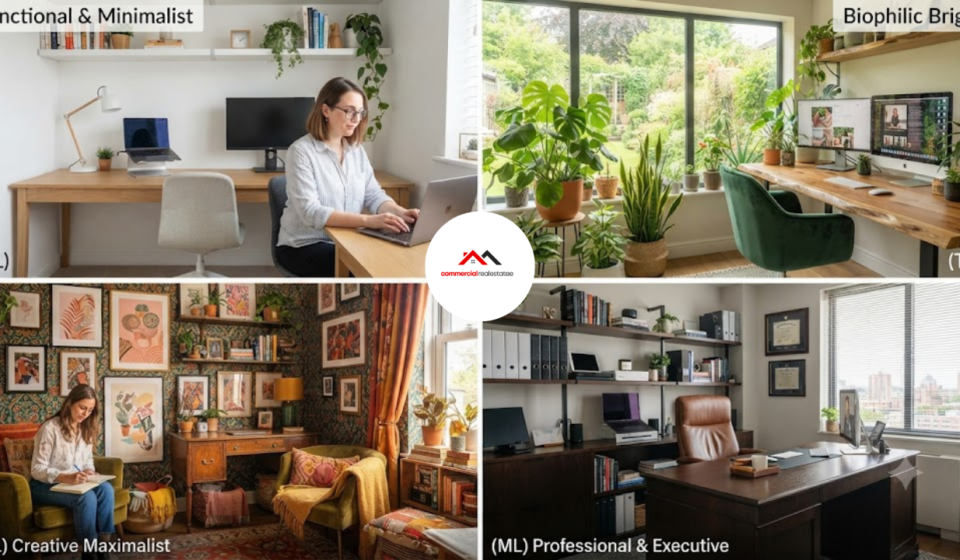

A well-designed home office can completely change the way you work. Whether you work remotely, run a business from home, study, or simply need a quiet place for personal tasks, the right workspace helps improve comfort, focus, and organisation. A home office should not only look attractive but also support your daily routine with practical furniture, smart storage, and a comfortable atmosphere.
Modern home office design ideas focus on creating spaces that feel professional while still matching the style of your home. From small corner offices to luxurious dedicated rooms, there are many ways to design a workspace that is both functional and inspiring.
Choose the Right Home Office Layout
The layout is one of the most important parts of any home office design. A good arrangement makes it easier to work efficiently and keeps the room feeling open. Before selecting furniture, consider the available space, your work habits, and the equipment you need every day.
A dedicated room gives you more freedom to create a complete office setup, while smaller homes can benefit from creative solutions. A corner desk in a bedroom, a wall-mounted workstation, or a compact desk in the living area can create a practical working zone without requiring a separate room.
The position of your desk also affects your comfort. Placing it near a window can provide natural light and make the room feel more spacious. However, avoid placing your computer screen directly in front of strong sunlight because reflections can make working uncomfortable.
Create a Comfortable Workspace With Ergonomic Furniture
Furniture plays a major role in making a home office successful. A stylish workspace may look impressive, but comfort should always come first. Since many people spend several hours at their desks, choosing suitable furniture can improve the overall working experience.
A supportive office chair with good back support is one of the best investments for a home office. The desk should also have enough space for your computer, documents, and other essentials. Your monitor should be positioned at a comfortable height to reduce unnecessary neck and eye strain.
Modern home office designs often include adjustable desks because they allow users to change their working position throughout the day. Combining comfortable seating with practical desk design creates a workspace that supports both productivity and wellbeing.
Use Natural Light and Smart Lighting Design
Lighting can influence the entire look and feel of a home office. A dark workspace can feel uncomfortable, while a bright and balanced environment can make the room more welcoming.
Natural light is one of the best features you can add to a home office. A desk placed near a window can create a pleasant working environment during the day. If your room has limited natural light, use a combination of ceiling lights, desk lamps, and soft lighting to create a comfortable atmosphere.
Task lighting is especially useful for reading, writing, and detailed work. A good desk lamp can reduce eye fatigue and make evening work sessions easier. Choosing warm and adjustable lighting options can also help your office feel more relaxing after working hours.
Add Storage Solutions for an Organised Office
A clean and organised workspace makes it easier to focus. Without proper storage, a home office can quickly become crowded with papers, cables, books, and equipment.
Built-in shelves, cabinets, drawers, and floating storage units are popular choices for modern offices. These solutions help keep important items within reach while maintaining a neat appearance. For small offices, vertical storage is an excellent option because it uses wall space without reducing floor area.
Cable management is another important part of office organisation. Hidden cables, organised power outlets, and wireless accessories can make your workspace look cleaner and more professional.
Select Colours That Match Your Working Style
The colours used in a home office can affect the mood of the room. Many modern designs use neutral shades, soft greens, light blues, and natural colours because they create a calm and balanced environment.
A simple colour palette can make a small office appear larger and brighter. White walls combined with wooden furniture can create a clean and timeless appearance, while darker colours can add a more luxurious and dramatic feel.
Your home office should also reflect your personality. Adding artwork, books, decorative items, or personal collections can make the room feel more comfortable. The key is to keep the space organised so decorations do not become distractions.
Design Ideas for Small Home Offices
Small spaces can still become effective work areas with the right planning. Many people create home offices in unused corners, closets, or parts of bedrooms. The goal is to make every inch useful without making the area feel crowded.
A compact desk, wall shelves, and multifunctional furniture can help maximise limited space. Foldable desks and hidden storage options are also useful for homes where the office needs to serve another purpose.
Using mirrors, light colours, and simple furniture designs can make a small office feel larger. A well-planned small workspace can provide the same level of comfort and productivity as a larger office.
Add Plants and Personal Touches
Adding natural elements can make a home office feel more comfortable and inviting. Indoor plants are a popular choice because they bring colour and freshness into the workspace.
Plants, artwork, photographs, and decorative accessories can help create an environment where you enjoy spending time. However, balance is important. Too many items on the desk or shelves can create unnecessary clutter.
A good home office reflects both professionalism and personal style. It should feel like a place where you can concentrate while still feeling connected to your home.
Create a Modern Technology-Friendly Workspace
Technology is an essential part of most home offices today. Computers, monitors, chargers, headphones, and other devices should be arranged in a way that keeps the workspace functional.
Monitor stands, wireless accessories, charging stations, and cable organisers can improve both appearance and usability. A clean technology setup also creates a better background for online meetings and video calls.
Modern home office designs focus on combining technology with comfort. The best workspace is one where everything you need is easily accessible without creating unnecessary distractions.
Avoid Common Home Office Design Mistakes
Many people focus only on appearance and forget about practical needs. Choosing furniture that looks good but feels uncomfortable can create problems during long working hours.
Another common mistake is poor space planning. A desk that is too large for the room or insufficient storage can make the office feel crowded. Before buying furniture, measure the available space and think about how you will use the room daily.
Ignoring lighting is also a major issue. A beautiful office with poor lighting may not provide a comfortable working environment. Good design should always balance appearance with everyday usability.
Frequently Asked Questions
What is the best design for a home office?
The best home office design combines comfortable furniture, proper lighting, organised storage, and a layout that matches your working habits.
How can I design a home office in a small room?
You can create a small home office by using compact furniture, wall storage, corner desks, and multifunctional solutions that save space.
What furniture is essential for a home office?
A comfortable chair, suitable desk, storage solutions, and proper lighting are the most important furniture elements for a functional workspace.
Which colours are suitable for a home office?
Neutral colours, soft greens, and light shades are popular because they create a calm and focused atmosphere.
How can I make my home office look professional?
Use organised storage, quality furniture, good lighting, and a clean background to create a professional-looking workspace.
Conclusion
A great home office design is about creating a space that supports your work and matches your lifestyle. The most successful offices combine comfort, organisation, and personal style instead of focusing only on appearance.
Whether you have a large room or a small corner, thoughtful planning can help you create a workspace that feels productive and enjoyable. Choosing the right furniture, improving lighting, and keeping the area organised can transform the way you work from home.
A well-designed home office is not just a place to complete tasks. It is a space that helps you stay focused, comfortable, and inspired every day.