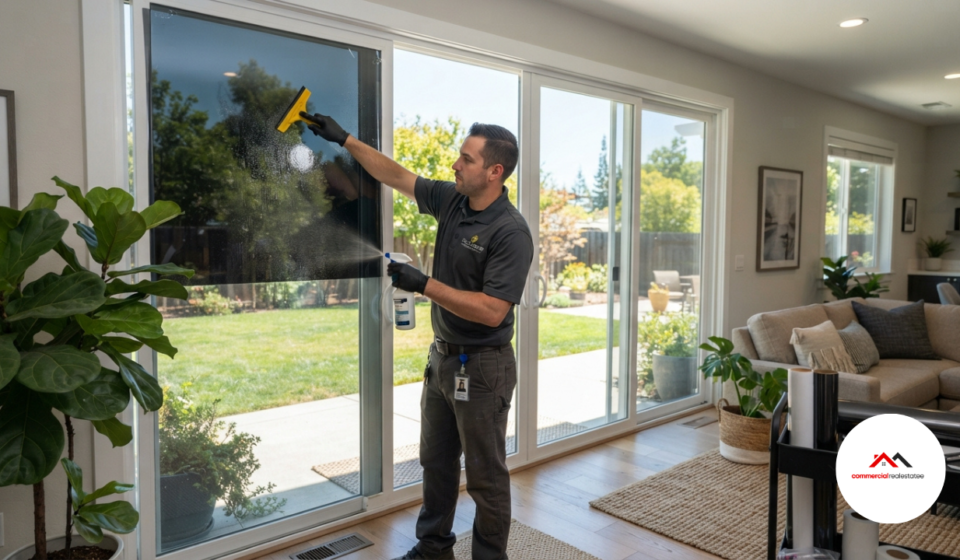

Residential window tinting has become a popular home improvement solution for homeowners who want better comfort, privacy, and protection from sunlight. Large windows can make a home look beautiful and welcoming, but they can also create problems such as excessive heat, glare, and fading of furniture. Window tinting provides a simple way to improve indoor comfort without replacing existing windows.
A residential window tint is a thin film applied directly to the interior or exterior surface of glass windows. These films are designed to control sunlight, reduce heat transfer, block harmful UV rays, and improve privacy while still allowing natural light into your home. The right window film can make rooms feel cooler, protect valuable interiors, and improve the overall living experience.
What Is Residential Window Tinting?
Residential window tinting is the process of applying a specially designed film to home windows to manage the effects of sunlight. The film contains materials that help reduce the amount of solar energy entering through the glass. Depending on the type of film selected, it can provide heat control, glare reduction, privacy, decorative appeal, and additional protection.
Many homeowners choose window tinting for rooms that receive strong sunlight during the day. South-facing and west-facing windows often allow more heat into a property, making certain areas uncomfortable during warmer months. Window film helps control this problem by reducing the impact of direct sunlight while maintaining the natural brightness of the room.
Modern window tinting options are available in different styles, shades, and performance levels. Some homeowners prefer a light, almost invisible film that focuses on heat and UV protection, while others choose darker or decorative films for privacy and design purposes.
How Does Residential Window Tinting Work?
Window tinting works by controlling how sunlight interacts with your home’s glass. Sunlight contains visible light, infrared energy, and ultraviolet rays. When sunlight passes through untreated windows, much of this energy enters the home and increases indoor temperatures.
Residential window films are designed to reflect and absorb a portion of this solar energy before it enters the living space. This helps reduce heat buildup and makes rooms more comfortable, especially during hot weather. Some advanced films are designed to block infrared heat while allowing plenty of natural light to pass through.
The effectiveness of window tint depends on several factors, including the quality of the film, the type of glass, the direction of the windows, and the local climate. A professional installer can recommend the right option based on your home’s specific needs.
Benefits of Residential Window Tinting
One of the biggest benefits of residential window tinting is improved indoor comfort. Rooms with large windows often become too warm because of direct sunlight. Window film helps reduce solar heat gain, allowing homeowners to maintain more consistent indoor temperatures.
Another major advantage is UV protection. Continuous exposure to sunlight can cause furniture, carpets, wooden floors, curtains, and artwork to fade over time. Quality window films can block a significant amount of UV radiation, helping protect your home’s interior and extend the life of valuable belongings.
Window tinting can also reduce glare from sunlight. Glare can make it difficult to watch television, use computers, or work comfortably near windows. By controlling excessive brightness, window film creates a more comfortable environment for everyday activities.
Privacy is another reason many homeowners choose window tinting. Privacy films allow natural light to enter while reducing visibility from outside. This makes them useful for bedrooms, bathrooms, home offices, and windows facing busy streets.
Types of Residential Window Tinting Films
Different types of window films are available depending on the homeowner’s goals. Solar window film is one of the most common choices because it focuses on reducing heat, glare, and UV exposure. It is suitable for homes that receive strong sunlight throughout the day.
Ceramic window film is a premium option that provides excellent heat control while maintaining clear visibility. Unlike traditional darker films, ceramic films can deliver strong performance without significantly changing the appearance of the windows.
Privacy window film is designed for homeowners who want more control over visibility. Frosted and decorative films are often used in bathrooms, entry doors, and areas where additional privacy is needed without blocking light completely.
Security window film is another option that helps strengthen glass by holding broken pieces together. While it does not make windows unbreakable, it can provide an additional layer of protection compared with untreated glass.
Residential Window Tinting Installation Process
Professional residential window tinting begins with an assessment of your windows. The installer checks the glass type, window condition, and the amount of sunlight entering the room. This helps determine which film will provide the best results.
Before installation, the windows are carefully cleaned to remove dust, dirt, and marks. The film is then measured, cut, and applied smoothly to the glass surface. Proper installation requires attention to detail because air bubbles, wrinkles, or incorrect placement can affect the final appearance.
After installation, the film needs time to fully bond with the glass. During this period, small cloudy areas may appear as moisture escapes from beneath the film. This is normal and usually disappears as the film cures.
How Much Does Residential Window Tinting Cost?
The cost of residential window tinting depends on several factors, including the number of windows, window size, film quality, and installation complexity. Basic films are usually more affordable, while advanced ceramic and specialty films come at a higher price.
Although professional window tinting requires an upfront investment, many homeowners consider it worthwhile because of the added comfort, privacy, and protection it provides. The best value comes from selecting a film that matches your home’s needs rather than choosing the cheapest option available.
Common Mistakes to Avoid With Window Tinting
One common mistake homeowners make is choosing window film only based on appearance. A darker tint does not always mean better performance. Different films are designed for different purposes, and the best option depends on whether your priority is heat reduction, privacy, or UV protection.
Another mistake is attempting poor-quality DIY installation on large residential windows. Improper application can lead to bubbles, peeling edges, and an uneven finish. Professional installation usually provides better results and helps ensure the film is suitable for your existing windows.
Is Residential Window Tinting Worth It?
Residential window tinting can be a valuable upgrade for homes that experience excessive sunlight, uncomfortable heat, glare problems, or privacy concerns. It offers a practical way to improve comfort while protecting your interior from long-term sun damage.
However, window tinting is not a replacement for energy-efficient windows, insulation, or proper home design. It works best as part of a complete approach to creating a comfortable and efficient living space.
Frequently Asked Questions
Does residential window tinting reduce heat?
Yes, residential window tinting can reduce heat entering through windows by controlling solar energy. The amount of heat reduction depends on the type of film, window design, and installation quality.
Can window tinting protect furniture from fading?
Yes, window films can help protect furniture, flooring, and other interiors by reducing exposure to harmful UV rays. However, they cannot completely eliminate fading caused by sunlight.
How long does residential window tint last?
The lifespan of window tint depends on the film quality, installation, and environmental conditions. High-quality films installed properly can last many years.
Can window tinting improve privacy?
Yes, certain privacy films can reduce visibility from outside while still allowing natural light into your home. Privacy levels depend on the type of film selected.
Is residential window tinting better than curtains?
Window tinting and curtains serve different purposes. Curtains block sunlight completely, while window films provide a more permanent solution for controlling heat, glare, and UV exposure without covering the window.
Conclusion
Residential window tinting is a practical home improvement option that helps manage sunlight, improve comfort, protect interiors, and increase privacy. With different film options available, homeowners can choose a solution that fits their lifestyle and property requirements.
The key to getting the best results is selecting the right type of window film and working with an experienced installer. A well-installed residential window tint can improve your home’s atmosphere while providing long-term benefits for years to come.